Have you ever thought about turning something you love to sew into a product you could sell?
I did — and that simple idea eventually became Fairface Washcloths, a sewn-product business I started in 2011.
But one of the biggest things I’ve learned is that selling a product and building a profitable business aren’t always the same thing.

What I’ve Learned From Selling Sewn Products
As the founder of [Fairface Washcloths], I’ve spent years making sewn products and selling them through Etsy, my own website, and other sales channels.
I’ve cut and sewn my own products, sourced fabrics and supplies, hired contract seamstresses, managed inventory, researched manufacturing, packaged and shipped thousands of orders, and learned a lot along the way.
Today, I’m looking at sewn products through a different lens:
What would it take to turn a sewn product into a profitable business?
That’s what I’m exploring through Cut, Sew, Grow.
Can You Actually Make Money Selling What You Sew?
Yes, you can — but the product has to work as a business, not just as something people are willing to buy.
That means looking at more than whether a product gets sales.
You also need to know whether the price leaves enough room for materials, selling fees, packaging, your time, and all the little costs that are easy to forget.
Start With the Numbers
Before making a large amount of inventory, figure out:
- What the product can realistically sell for
- How much the materials cost
- How long it takes you to make one
- What Etsy and payment-processing fees will take
- What packaging and shipping supplies cost
- How much you want to earn for your time
A product may look profitable until you add all of those things together.
Your Time Can Make or Break the Product
For handmade sellers, labor is often the biggest issue.
If a product takes a long time to cut, sew, finish, photograph, list, package, and ship, you may find that you're earning very little per hour even when the product sells.
That doesn't automatically mean the product is a bad idea.
It may mean you need to:
- Raise the price
- Simplify the design
- Batch your cutting or sewing
- Reduce the number of options you offer
- Buy materials more efficiently
- Improve your production setup
- Outsource part of the process
Those changes can make a big difference.
Etsy Is Only One Part of the Equation
Etsy can make it easier to reach people who are already searching for handmade products, but Etsy can't fix a product with weak margins.
A product still needs enough room in the price to support the business.
That is why I think it's important to work backward from the selling price instead of simply making something first and deciding what to charge later.
Ask yourself:
What can customers realistically pay for this product, and can I produce it profitably at that price?
That question can save you a lot of time.
Test Before You Scale
You don't need to make dozens of products to find out whether an idea has potential.
Start small.
Make a few.
List them.
See what customers respond to.
Track how long they actually take to produce.
Pay attention to which sizes, colors, or options people really buy.
Then use that information before you invest in more supplies or inventory.
The Goal Isn't Just to Get Sales
It's easy to get excited when an order comes in.
I still do.
But a sale by itself doesn't tell you whether the business is working.
The better question is:
After everything is paid for — including my time — was this order worth fulfilling?
That's the kind of question I'm exploring more deeply through Cut, Sew, Grow.
Learn more about Cut, Sew, Grow here
And Join the Cut, Sew, Grow email list if you want access to sewn-product evaluations, business breakdowns, and practical sewing-business ideas as I publish them.

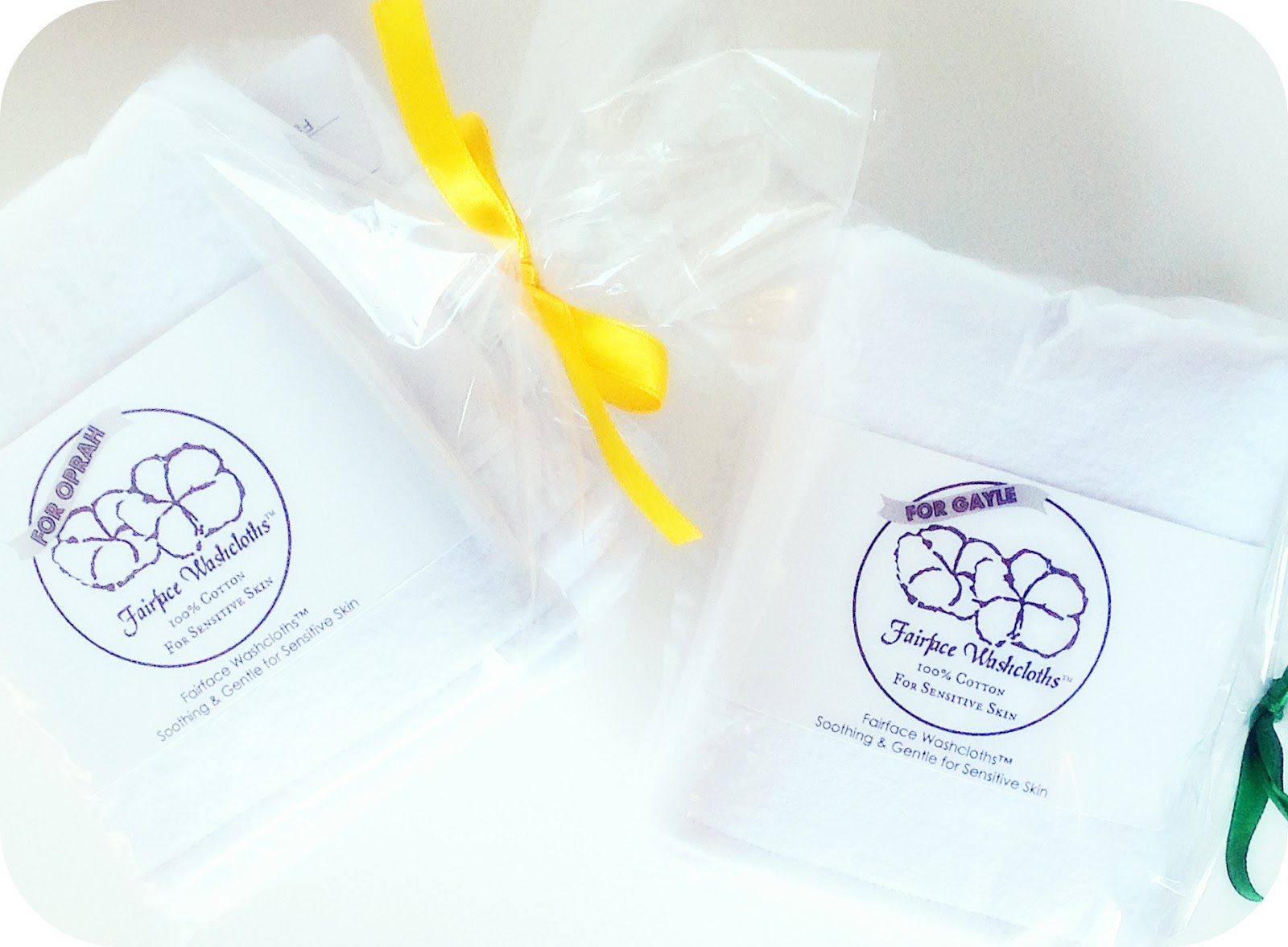


 Fairface Washcloths™ ~ Delicate comes with 2 sides of plush, soft flannel for an even softer, more soothing option for cleansing sensitive skin.


 Fairface Washcloths™ are an exclusive product from Shannon Sorensen Designs